38,000 People On What Keeps Passion Alive in Long-Term Relationships
10 min read
Hot, lasting sex in a long-term relationship may feel like a Hollywood fantasy—but it doesn’t have to be. This article focuses on the 7 key things that keep passion alive in long-term relationships (and no, it’s not just adding a new position or spicing things up with lingerie).
We’re surrounded by tales of new passion—first kisses, wild affairs, and the longing during a first date. But we rarely see sexual satisfaction in long-term couples depicted, or even talked about.
And yet, after nearly a decade of working with couples and individuals struggling with exactly this, I can tell you: sexual satisfaction in long-term couples isn’t a myth, and it definitely doesn’t have to be out of reach. Even if you have no sex drive right now and it feels like it’s ruining your relationship.
And this isn’t just my experience talking—there’s real science behind it.
So, what keeps desire alive? What actually sets satisfied couples apart from the disconnected ones? Here’s what the research says—plus my honest, sex therapist advice on what actually works.
In this article
- The Study: What Satisfied Couples Do Differently to Keep Passion Alive in Long-Term Relationshipds
- The Seven Habits of Highly Satisfied Couples
- Why Communication Changes Everything (Even If You Dread It)
- Sexual Novelty Works—But Only if You Actually Want It
- The Orgasm Gap: Why Women Stop Wanting Sex (And What To Do About It)
- Men Lose Out When Sex Becomes a Chore, Too
- What Creates Sexual Satisfaction in Long-term Couples (According to the Science—and Real Life)
- How to Improve Sex in Marriage—Even If You’ve Tried Everything
- Final Thoughts on What Keeps Desire Alive for the Long Haul
Prefer to listen instead? Listen to the podcast episode from In Bed with Science: a Sex Podcast, below.
The Study: What Satisfied Couples Do Differently to Keep Passion Alive in Long-Term Relationshipds
A massive study published in the Journal of Sex Research surveyed over 38,000 people in long-term relationships—people together for three years or more.
They were interested in why some couples managed to keep that spark burning while others watched it fizzle out.
The findings? Early in their relationships, 83% of people reported being satisfied with their sex lives. Years later, those numbers dropped: just 55% of women and 43% of men said the same.
But (and this is important): that decline wasn’t inevitable.
More than a third of respondents said their sex lives were just as passionate as they’d been in the early days. And this wasn’t down to luck, it was down to doing things differently.
The Seven Habits of Highly Satisfied Couples
The research found seven core behaviours that made the difference between passion that lasts—and passion that dies:
- More consistent orgasms
- More frequent oral sex (both giving and receiving)
- Higher overall frequency of sex (the happiest couples were usually having sex more often than those who were less satisfied, but quality was more important than frequency)
- Using a variety of sexual activities (like trying new positions, lingerie, role play, sex toys)
- Setting the mood (using candles, music, or saying “I love you”)
- Sexual communication (asking for what they wanted, giving praise, talking about fantasies together)
- Affection and intimacy during and after sex (like kissing, cuddling, and laughing together, what we usually refer to as “pillow talk”)
Couples who described their last sexual experience as “playful and passionate” or “loving” were far more satisfied—not just because they were having sex, but because of how the sex felt.
Meanwhile, for dissatisfied couples, sex often became just another obligation, or a way to release tension. Please know, if you’re thinking, “that sounds familiar,” you’re not alone. And there are ways to make sex fun again, and to want to want sex again.
Why Communication Changes Everything (Even If You Dread It)
Talking about sex doesn’t kill desire. The idea that the best sex is wordless, spontaneous, or that “real” chemistry means you never have to talk—that is what kills passion, not the talking.
I know talking about sex can feel awkward, but here’s the thing—what I see, week after week, is that the couples who start talking about sex—desires, fears, what’s working and what’s not—often feel closer right away.
Even if the conversation is awkward as anything. And even if they’ve spent years avoiding it.
This is because emotional intimacy and sex go hand in hand. Emotional intimacy leads to better sex, especially when things have been hard for a long time.
The first real talk can be terrifying, yes, but it’s also the key that opens the door to pleasure again. Not always instantly, but consistently. This is backed by both research and clinical experience from sex therapists alike.
Part of what sets successful talks about sex apart from those where it goes a little haywire is knowing how to talk about sex. Using the tips in the linked blog post, you’ll be able to ease your nerves just a little, to make the conversation easier.
Sexual Novelty Works—But Only if You Actually Want It
The study found that variety matters; new positions, romantic getaways, massages, scheduled date nights, even toys or role play. This probably doesn’t come as a surprise—they’re classic ways to spice up your sex life. But thing is, novelty only works when the foundations are in place.
If you feel disconnected, pressured, or unsafe, no amount of lacy lingerie will fix that. In fact, forcing yourself to try something new because you think you should—when you’re not feeling it—can actually make things worse.
However, if your sex life is feeling stale because you’re bored, then by all means, play. Try things. But if the real problem is anxiety, inhibition, or emotional distance, always address that first.
Otherwise, the “spice it up” advice just ends up making you feel even more self-conscious. And pushing you further away from what you really want; desire, passion and closeness.
The Orgasm Gap: Why Women Stop Wanting Sex (And What To Do About It)
Women (and people of all genders) don’t lose desire because something is wrong with them. They lose desire when sex stops being pleasurable or worth wanting.
And a large part of sex that isn’t worth wanting, for a lot of people, is sex without orgasms. This isn’t because sex needs to include orgasms for it to be pleasurable—but it’s an important part of pleasure for many.
This study—and others—also make it painfully clear: the so-called “orgasm gap” is real. In heterosexual relationships, 95% of men orgasm during sex. For women, it’s just 65%. (Among lesbian women, it’s higher. And when women masturbate, they orgasm just as much as men.)
If you’re a woman who’s reading this and thinking, “What’s the point if I’m not enjoying it?”—you’re not alone or broken. You’re responding to the reality of what sex has become for you, and there are lots of ways to start making sex more desirable – and orgasmic.
Men Lose Out When Sex Becomes a Chore, Too
For dissatisfied men, nearly half said their last sexual encounter felt more like a release of tension—a kind of physical outlet—compared to only 15% of satisfied men.
That tells us something important: when sex loses its emotional component—when it becomes disconnected from intimacy—men’s satisfaction drops, too. This idea that men are just after a quick orgasm doesn’t hold up when you really look at the data.
On the other hand, dissatisfied women were far more likely to say they were just going through the motions or having sex to appease their partner. About 43% of dissatisfied women said this, compared to just 7% of satisfied women. That’s huge.
What this shows us is that for many women, when sex becomes about obligation, it becomes emotionally disconnected—and emotionally disconnected sex often becomes unsatisfying sex. Especially when there’s pressure involved.
So while the reasons might look a little different on the surface, what both groups seem to be telling us is the same thing;
When sex is stripped of emotional closeness—when it’s just routine, or performance, or tension release—it stops feeling satisfying, even if it’s still happening.
And that’s one of the reasons this study is so powerful. Because it shows us that passion isn’t just about frequency or novelty—it’s about meaning, and connection. And that matters across genders.
WANT YOUR SEX DRIVE BACK?
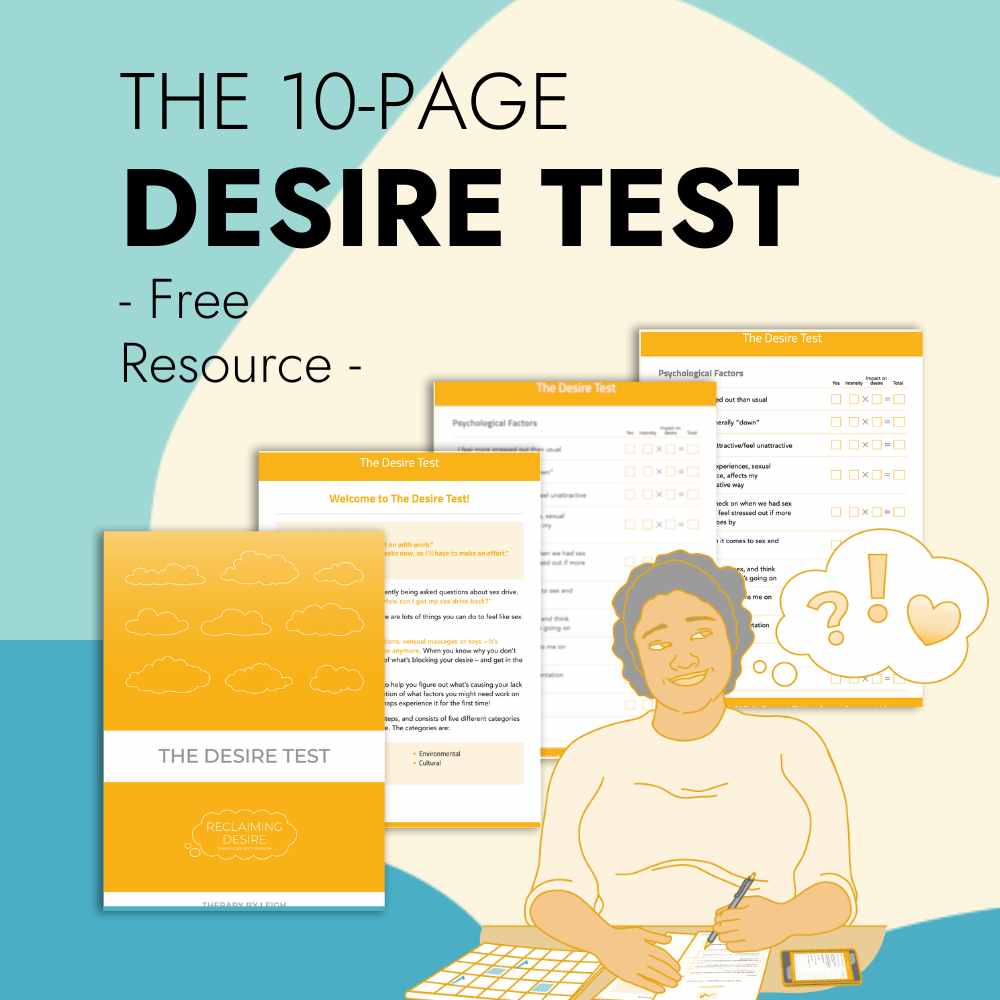
My free resource The Desire Test helps you take that first step towards an increased sex drive, by understanding your decreased desire.
Take the 10-page assessment quiz, get the answers you need to understand what’s standing in the way of your desire, and get free sex and relationship tips directly to your inbox. You can unsubscribe at any time.
What Creates Sexual Satisfaction in Long-term Couples (According to the Science—and Real Life)
So, all in all, this study shows there are several things that move the needle for lasting passion and sexual satisfaction in long-term couples. Here are just a few examples of things you can try:
- Set the mood—light a candle, put on music, say I love you, whatever you need to make the moment feel more about you two together (or however many you are in your relationship), and that this moment counts, and is about connection and intimacy.
- Try something new—variety matters, but only when you feel safe enough to play. So don’t put on the lingerie if you feel too self-conscious and worried—put it on when you feel connected with your partner, loved, respected, and appreciated.
- Talk about what you want—because communication isn’t unsexy, it’s the beginning of intimacy—it highlights what you’re doing sexually, and makes the sex come alive.
- Share a fantasy, or tell them about something you really like that they do during sex, or simply talk about your sex life and what you both want from it.
- Finally—make space. For sex—but also for affection. Linger a little longer after, don’t just roll over and go to sleep, or rush to the shower to clean off—stay, cuddle, say I love you.
All of these things are small examples of how you can take a leaf out of the book from couples that are feeling satisfied even years in.
How to Improve Sex in Marriage—Even If You’ve Tried Everything
Sometimes you do all the “right” things, and things still don’t improve. Or maybe you know what to do, but can’t get yourself to want it.
If this sounds like you, you share this experience with a lot of other couples. And it doesn’t have to mean things are doomed. Usually, it’s because what you’ve been focusing on hasn’t been the passion or desire killer, or you’re stuck in gridlock.
Because it’s one thing to know that you “should” be communicating differently, or “should” be working on things. But it’s another thing entirely to do it. Because sex can be tricky to navigate, especially when you’re not having it, or you have mismatched libidos.
If you want professional guidance on what to do differently, or how to even get motivated to try again, my online program Re:Desire is the best place to start. Getting sex therapist advice that’s tailored to your unique situation and difficulties is often the fastest place to start creating change.
Final Thoughts on What Keeps Desire Alive for the Long Haul
Keeping passion alive in long-term relationships isn’t about being lucky (though I know it can feel that way sometimes!).
It’s about intention, effort, communication, and connection. Sexual satisfaction in long-term couples is possible. The spark can last—but only if you’re willing to create something new together, instead of just hoping it’ll magically return.
Because when you put in the effort, the rewards waiting on the other side are going to feel like magic.

Zero sex drive?
You’re not alone! Download the 10-page Desire Test to find out why your desire for sex is gone (and what to do about it).
Questions based on a variety of factors proven to negatively affect desire

Find out which factors are responsible for your low or non-existent sex drive
Get instant access to expert advice, delivered directly to your inbox when you download The Desire Test. Unsubscribe anytime.
WANT TO KNOW MORE ABOUT THE DESIRE TEST?


With 9 years of experience as a sex therapist and coach - Leigh helps her clients create stress-free, shame-free, pressure-free sex lives, through her unique combination of sexological science, & psychotherapeutic & coaching tools.